A luxury pool is never just a hole in the ground with water. In Dallas, it becomes an outdoor room, a centerpiece for entertaining, and a piece of landscape architecture shaped by heat, clay soil, and a local design culture that favors clean lines and resort vibes. If you select the right Dallas Pool Contractor from the start, you can avoid most of the expensive surprises that tend to show up mid-build. I have seen beautifully rendered designs fail because the builder underestimated expansive soils, and I have seen modest backyards transformed when the team paid attention to drainage, sun angle, and the rhythm of how a family actually lives. The difference begins with how you choose your partner.
The Dallas context changes the decisions you make
Dallas offers a longer-than-average swim season, high UV, heavy spring storms, and soil that moves. The black gumbo clay common in North Texas swells when it gets wet and contracts when it dries. That movement can crack decks and shift shells if the engineering and construction practices aren’t suited to it. The right Dallas Pool Builder treats soil testing, structural steel, and decking joints as nonnegotiables rather than add-ons. Climate also affects finishes and equipment. Glass tile looks fantastic in full sun, but grout and setting materials need to tolerate hot-cold cycles, and the tile’s expansion characteristics have to be matched to the substrate. Salt systems reduce maintenance, yet corrosive mist can age soft stone coping in months if you pick the wrong material or leave edges unsealed. These are not theoretical points; these are choices you confront on day one when you sit down with a builder’s design team.
A pool is also only as good as how the landscape around it functions. Dallas lots often tilt toward alleys or side yards with minimal slope. Without tight site grading, French drains, and thoughtful gutter tie-ins, a storm can deposit muddy runoff into an otherwise pristine pool. A Dallas Landscape Architect who has teamed with pool builders on local clay soils can integrate grading, plant selection, and hardscape materials so your yard doesn’t alternate between dust bowl and swamp.
What a luxury pool means in practice
Luxury means practical elegance, not just price. I look for three things: coherence of design, durability at the detail level, and a service plan that anticipates how you actually use the pool.
Coherence means the pool’s geometry matches the house, the sun patterns, and the paths you walk. If your home leans modern with strong horizontal lines, a rectilinear pool with a long run for lap strokes and a vanishing edge that frames a view tends to fit. If the home is Mediterranean, a soft-radius perimeter with raised beams, scuppers, and a tiled spa can create a consistent language. A good Dallas Pool Companies portfolio reveals how they tailor geometry to architecture rather than repeating a signature shape.
Durability lives in hidden details. Rebar spacing in the shell, beam thickness at transitions, the type of waterproofing in a spa, and expansion joints around the deck matter more than any Instagram shot. Ask how they handle interfaces: plaster to tile, coping to deck, beam to raised wall. A Luxury Pool Builder DFW worth its reputation documents those junctions in the plans, not just in the field.
Finally, luxury includes service. Automated chemistry, variable-speed pumps, quiet heaters, and app-based controls are only luxurious if the water stays clear and the system remains stable. I like seeing a builder that pairs the equipment set with a seasonal maintenance program and trains you on day one. A 15-minute handoff saves hours of confusion later.
Where great projects start: design, not excavation
If you want a high-end result, spend more time in the design phase than you think you need. A builder who rushes to break ground without full documentation is betting your money against Dallas soil. Begin with a site analysis. Measure sun arcs across the yard in August and in March. Note privacy lines from second-story windows. Identify views worth framing from the kitchen or living room. Decide whether you want shade by late afternoon or a warm evening soak. These specifics drive orientation, depth changes, and the location of water features.
The design itself should include plan view, elevations, sections, plumbing schematics, and equipment layout. On a luxury build, I like to see a lighting plan that shows fixture types, beam spreads, and dimming zones. Good design anticipates how the space feels at 9 pm in July, not just how it photographs at noon. If you can, bring a Dallas Landscape Architect to the table early. When the landscape team sets grades and deck edges in tandem with the pool structure, you get tighter tolerances and fewer post-pour regrets. Collaboration also avoids common conflicts like tree protection zones versus plumbing trenches.
Vetting a Dallas Pool Contractor without wasting months
Online reviews help but don’t tell the whole story. Look for patterns rather than outliers. A great Dallas Pool Builder will have consistent notes about communication, schedule transparency, and aftercare. Next, look past the highlight reel in their portfolio. Ask for two to three projects that match your yard’s constraints: similar lot slope, similar soil type, similar architectural style. Then ask to speak with those homeowners. The best conversations cover dust control during construction, how the crew managed rainy weeks, and whether the final punch list dragged.
Experience with luxury builds is not only about budgets. It means they have relationships with reliable subcontractors and suppliers, and they can secure materials without scuttling the schedule. If your design calls for a custom mosaic or a hand-picked limestone, lead times can stretch past 12 weeks. A seasoned builder will sequence excavation, steel, plumbing rough, and shotcrete so the project keeps moving while the finish materials are fabricated.
Permitting in Dallas proper is straightforward if the contractor does it regularly, but it can slow you down if they are guessing at plan reviewer expectations. Verify they are registered with the city and familiar with local codes: setbacks, barriers, anti-entrapment standards, and drainage requirements. If your property lies in a utility easement zone or within a homeowners association, ask the contractor how they handle variance requests and HOA submittals.
Engineering for North Texas soil
The single best predictor of long-term performance is how the builder addresses expansive clay. Soil testing is inexpensive relative to the whole project and influences steel schedules, beam dimensions, and pier requirements. If a contractor says they skip it on most residential projects, that is a red flag. For complex sites or raised elements like vanishing-edge troughs, I prefer to see a geotech report and a structural plan stamped by a Texas engineer. In practice, that often leads to more steel, thicker beams at raised walls, and sometimes drilled piers under critical loads. These costs pay for themselves when a deck stays pool builders flat after a wet winter.
Decking is where movement shows first. Control joints should be deliberate, not afterthoughts. On a large porcelain paver deck, movement joints at defined intervals with flexible setting materials can handle Dallas temperature swings. If you love natural stone, choose denser materials that tolerate salt if you plan a salt-chlorinated system, and seal them on a schedule the contractor specifies. I have replaced too many soft limestone copings that flaked within a year from salt spray and heat.
Budget clarity and where to spend
Luxury budgets vary, but in Dallas, a custom pool with raised features, spa, quality decking, lighting, and automation frequently lands in the mid-six figures. The spread depends on soil conditions, access for machinery, and finish choices. More important than the headline number is cost clarity.

Push for an itemized proposal. Site work, steel and shotcrete, plumbing and equipment, tile and plaster, decking and coping, water features, lighting, gas and electrical, landscape and irrigation adjustments, and permit fees should be broken out. Contingencies deserve a line of their own. Some builders include allowances for tile or decking with a per-square-foot number that sounds generous but won’t cover the actual selection you want. If you know you want 2 cm porcelain pavers or a specific glass tile, swap the allowance for a confirmed price before signing.
There are places to save without sacrificing quality. You can dial back the complexity of water features, simplify edge conditions, or choose a durable but less exotic tile. There are also places not to cut. Structural steel, shell thickness, waterproofing on raised elements, and equipment sizing are not the categories to value-engineer. Underpowered plumbing or a spa with minimal insulation will cost you every season.
Equipment selections that fit Dallas living
The best equipment set is quiet, efficient, and serviceable. A variable-speed pump is standard at this point. For Dallas-sized pools, two pumps often make sense, one dedicated to filtration and one for features or spa therapy. Oversized cartridge filters lower maintenance during pollen season when surface skimmers get overwhelmed. If you prefer DE filters, ensure there is a workable plan for waste-water handling per city guidelines.
Heaters are a point of debate. Natural gas provides quick spa heat, which suits evening use on short notice. Heat pumps excel at maintaining pool temperature efficiently across long stretches but can struggle on sudden cold snaps. Many luxury builds carry both: a gas heater for the spa and a heat pump tied to the pool for shoulder seasons. Automation brings the system together. Choose a platform that integrates with your phone reliably and, importantly, is common enough that local techs can service it quickly. Proprietary systems can leave you waiting weeks for parts.
Lighting in Dallas sun should emphasize color rendering and shadow play at night rather than bright daylight theatrics. LED fixtures with warm-white options flatter stone and water more than saturated color cycles that feel fun for a week then rarely get used. Place lights to avoid glare from key seating areas and to keep the spa gentle on eyes at night.
Finish materials and how they age
Plaster remains a classic and looks excellent when executed well, but it requires attentive chemistry to stay smooth. Quartz and pebble aggregates add durability and texture, with pebble often wearing the longest in Dallas’ temperature swings. Glass tile interiors are beautiful and demanding. If you go that route, specify an installation system designed for total submersion, with expansion joints and movement accommodation per manufacturer guidelines. The difference between a tile interior that looks crisp after five years and one that pops tiles each spring is all in the prep and the mortar.
Coping choices shape the pool’s personality and your maintenance schedule. Travertine stays cool underfoot and pairs well with modern and transitional homes, but select premium, denser pieces and seal them if you run a salt system. Porcelain coping and pavers have matured dramatically in style and performance, offering consistent thickness and low porosity, which helps in Dallas storm cycles. Concrete decks with a sand finish remain a value workhorse, and when placed and jointed properly, they stay stable on our soils.
How to judge a builder’s process from the first meeting
You learn a lot from the first site visit. Pay attention to questions the contractor asks. Do they measure relevant setbacks and utility locations, or only pace out a rectangle? Do they ask how many people typically swim, whether you entertain at night or afternoons, whether anyone in the family needs shallow entries or handrails? Builders who think like designers improve your daily use of the pool.
Look for schedule literacy. A serious Dallas Pool Contractor will explain sequencing with realistic durations: design and engineering, permitting, excavation and steel, plumbing rough, shotcrete, cure time, tile and coping, decking, equipment set and gas/electrical, interior finish, startup. Curing and weather are the wildcards. Clay soils after a storm aren’t the place for heavy machinery, and a builder who pushes past that to “stay on schedule” can create deeper problems. I prefer a team that builds weather into the schedule rather than apologizes each time it rains.
Communication standards deserve a contract clause. Weekly updates with photos, a simple three-column status list (complete, underway, next up), and a clear point of contact reduce friction. When you know that inspections passed or that the tile shipment is delayed three days, you can plan accordingly.
How a Dallas Landscape Architect elevates the project
When pools and landscapes are designed together, the result feels cohesive. The landscape architect thinks about grade transitions, soil amendments for tree health in compacted construction zones, and microclimates created by hardscape expanses. In Dallas summers, a pergola or strategically placed shade tree can keep a deck usable in late afternoon. Plant choices should avoid litter that clogs skimmers. If you crave the look of oaks near water, set them far enough away to reduce acid leaf drop into the pool, and consider evergreens or fine-textured grasses closer in.
Drainage is where landscape and pool disciplines meet. Slot drains at the back edge of a deck, swales directing water to collection points, and gutter tie-ins that don’t sheet across paving are unglamorous details that protect your investment. The best projects design these routes from the start, with trench locations coordinated so they don’t conflict with pool plumbing.
Working through permits, inspections, and neighbors
Dallas permits require barrier compliance, including fencing heights and self-closing gates. If your fence sits on a retaining wall or an easement, confirm compliance in the plans. Gas and electrical trades will schedule their own inspections. A builder who handles these without asking you to mediate between inspectors and subs saves you time and headaches.
Neighbors matter during excavation and gunite days. Dust control, parking plans for crews, and defined work hours keep relationships warm. I’ve watched a simple step like temporary plywood along a shared driveway prevent cracks and arguments. Ask the builder how they protect adjacent properties and keep a clean site. Their answer tells you how they operate while you are at work and they are in your yard.
A straightforward shortlist you can use this week
- Gather three portfolios from Dallas Pool Companies whose recent projects match your style. Prioritize teams that show work on similar soils and lot conditions, not just pretty photos. Ask each contractor for a soil test and a structurally engineered plan. Decline proposals that skip these steps. Request an itemized estimate with allowances converted to confirmed selections for tile, coping, and decking where possible. Speak with two past clients about schedule accuracy and how the builder handled weather delays and punch lists. Confirm a maintenance plan, including startup, water chemistry training, and first-year service options.
Red flags and subtle tells
Overpromising on schedule during wet months is a common red flag. So is vague language around structure and equipment sizing. If a proposal leans hard into finishes and glosses over plumbing, drainage, and expansion joints, you will pay for that later. Pay attention to how a builder talks about change orders. Changes happen in custom work. A fair process includes written descriptions, pricing before work proceeds, and documented schedule implications.
Subtle positive tells include a builder who brings sample boards to your yard so you can see finishes in your actual light, not just showroom lighting. Another is a contractor who insists on a pre-gunite walk to confirm step dimensions, bench placements, and return locations with string lines and spray paint. These small rituals prevent “I thought it would feel bigger” comments when concrete is already curing.
What living with a luxury pool actually feels like
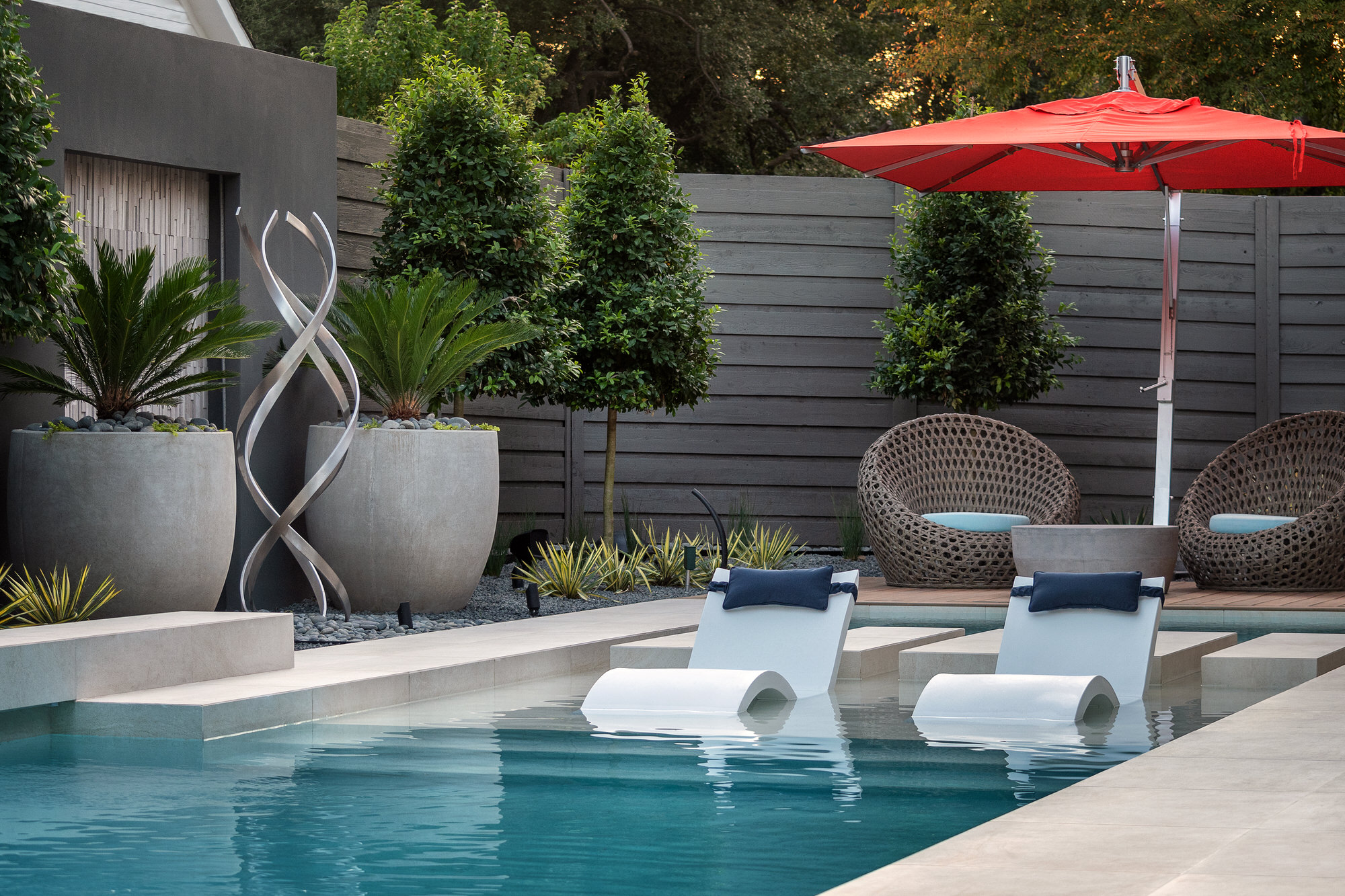
The day-to-day experience is not only the water. It’s the path from the kitchen to the chaise without walking through a puddle, the ease of cleaning skimmer baskets without stepping on landscaping, the way the spa heats to 102 in 20 minutes on a January evening, and the absence of equipment noise leaking into the dining room. It’s the way lighting reflects off water without blasting your eyes, the way the shallow sun shelf stays cool under a translucent umbrella, and the way the deck remains stable after three seasons of storms.
Great builders think about those moments. They align equipment pads away from bedrooms. They spec check valves and unions where service techs can reach them. They map electrical conduits so a future fire pit isn’t a surprise conflict. They show you how to lower water level ahead of a big storm rather than waiting for pumps to struggle.
If you are choosing between two strong finalists
When you have narrowed to two credible Dallas Pool Contractor options, ask each one for a short narrative describing how they would prevent and resolve three common problems on your site. If your lot slopes to the alley, how will they handle drainage at the back fence and tie into existing grades? If your design includes a raised spa with spillway, how will they waterproof and isolate movement between structures? If you plan salt chlorination with natural stone coping, how will they protect and maintain the stone? The quality of their answers, not just the price, will show you who has built for longevity in Dallas.
You can also ask each builder to walk you through a finished project they did within 15 minutes of your home. Pay attention to how they talk about the compromises made in that backyard. Every job involves trade-offs. Builders who are candid about them will be candid with you.
The payoff of choosing well
A custom pool should add value to your property and your routines. In Dallas, that means a structure engineered for expansive soils, finishes chosen for sun and chemistry, equipment sized for comfort, and a design that works with your home’s architecture. It also means a team that communicates when the weather turns, coordinates with a Dallas Landscape Architect to manage drainage and shade, and stands behind the work after the first swim party fades.
When you pick the right partner, the process resembles a well-run renovation rather than a construction battle. Your backyard becomes a place you use more months of the year, not just July and August. That is what luxury looks like here: quiet reliability, simple routines, and a setting that makes you want to invite people over on a Tuesday night because the spa will be hot by the time the steaks come off the grill.